
The Standard is the Standard

Ask anyone and they will tell you that I am a big believer in templates.
They’re efficient, scalable, repeatable, and standard – all good things. Which is also why one of the bigger red flags out there is when people don’t use them.
I saw returns reporting recently from a smaller manager who had made four investments – all level three assets. And in valuing each of the four, they used a different methodology.
Now, it’s their prerogative to do so. One was DCF. Another comparable transactions. Then public comps. And finally mark to the majority owner’s mark. And their valuation “policy” gave them the latitude to do so in "appropriate" circumstances.
But it raises the question, if everything is bespoke, then what is the standard? And are you trying to be accurate or are you trying to be favorable?
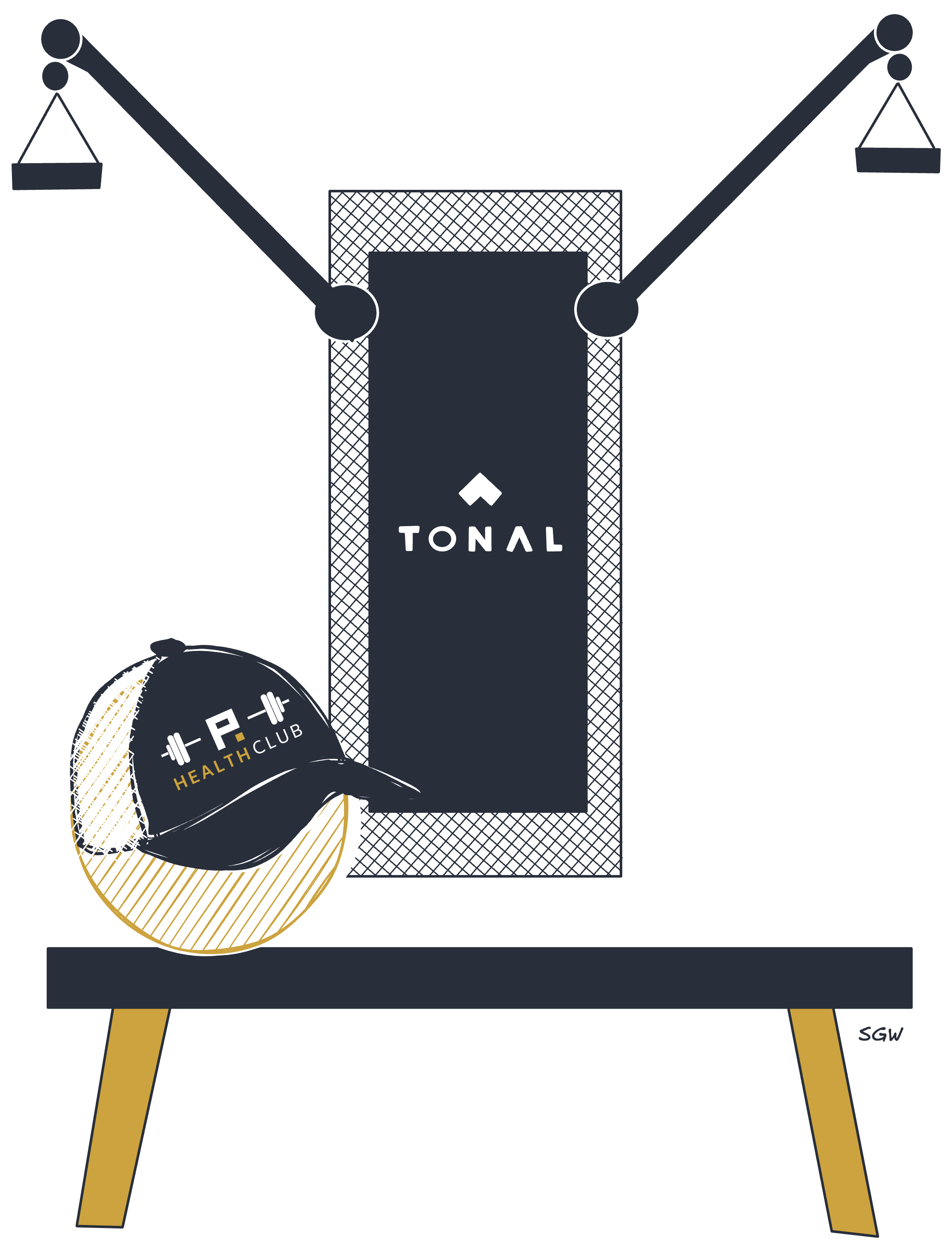
Last time I mentioned fitness personalities, it was Peloton’s sassy and spicy Jess King. But my new go-to is Tonal’s Joe Rodonis who, in between talking about all of the food he is going to eat after the workout, reminds you over and over that “the standard is the standard.”
Yes, the standard is the standard.
See, templates don’t just create efficiency, they create constraints. And sometimes the point is constraints. If something looks good one way but not another, you should look at both but focus and report on the latter. While reality is probably somewhere in between, if you’re an operator and not a performer, you want eyes on the worst case, not the best.
In other words, if you have a standard, a template, or a constraint, and someone opts out, that’s interesting. It’s not random. If things were good, the standard, template, and constraint would all apply.
Sure, sometimes things are unexpectedly better than expected. But usually when something’s strange, it’s not.
– Tim
Sign up below to get Unqualified Opinions in your inbox.
The information, opinions, and views presented in this publication are provided solely for general informational and educational purposes. They are of a general nature, have not been tailored to the specific circumstances of any individual or entity, and do not constitute a comprehensive statement of the matters discussed. This material should not be interpreted or relied upon as investment, legal, tax, accounting, regulatory, or other professional advice, and nothing in this publication is intended to be or should be construed as such. You should obtain advice from your own professional advisors regarding the applicability of the information to your particular circumstances.
The views and analyses expressed are those of the author and do not necessarily represent or reflect the views, opinions, policies, or positions of Permanent Equity Management, LLC, its officers, directors, employees, affiliates, or portfolio companies, or of any person or entity with whom the author may be affiliated. Permanent Equity Management, LLC makes no representation or warranty, express or implied, as to the accuracy, completeness, timeliness, or suitability of the information contained herein and expressly disclaims any liability for errors or omissions.
This publication is not, and should not be construed as, an offer to sell, a solicitation of an offer to buy, or a recommendation of any security, financial instrument, or other product. It does not form the basis of any contract and does not create a fiduciary, advisory, or client relationship with Permanent Equity Management, LLC. Any examples or references to third-party content are for illustrative purposes only and do not constitute an endorsement. Permanent Equity Management, LLC is not responsible for the availability, accuracy, or content of third-party materials. Past performance is not indicative of future results. Any forward-looking statements are inherently uncertain and subject to change.