

I don’t think anyone hires someone intending or expecting to eventually fire that person. But it happens. A lot. And that’s a problem for both sides.
For the hirer, because it wasted resources – time, money, energy and opportunity cost. For the person who got fired, same deal. And depending on severance and circumstances, the ordeal may leave them in a precarious position.
At the risk of sounding brusque, if you got fired it’s likely other people did not believe you were doing your job well. And while the world is occasionally unfair and moving on from people can create risk, my experience is that when someone is fired, it’s rarely because something just recently stopped working. It’s because something has been off for a while.
That said, that’s not necessarily an indictment of the person.
Sometimes it’s because the timing was bad. Sometimes because the fit was a reach in the first place. Sometimes because the role (or person) changed.
I’ve written before about our CEO Brent’s guidance to be kind, not nice. This is the idea that nice is avoiding discomfort, while kind is doing the more difficult thing in service of a better long-term outcome.
For the most part, when I’ve fired people in the past, while it never felt great, I believed – and still believe – I was doing them a favor. That may sound self-serving, but the fact of the matter is that staying in the wrong role is corrosive. It’s bad for the person, the team, the organization, and performance. And the longer it goes on, the worse it gets.
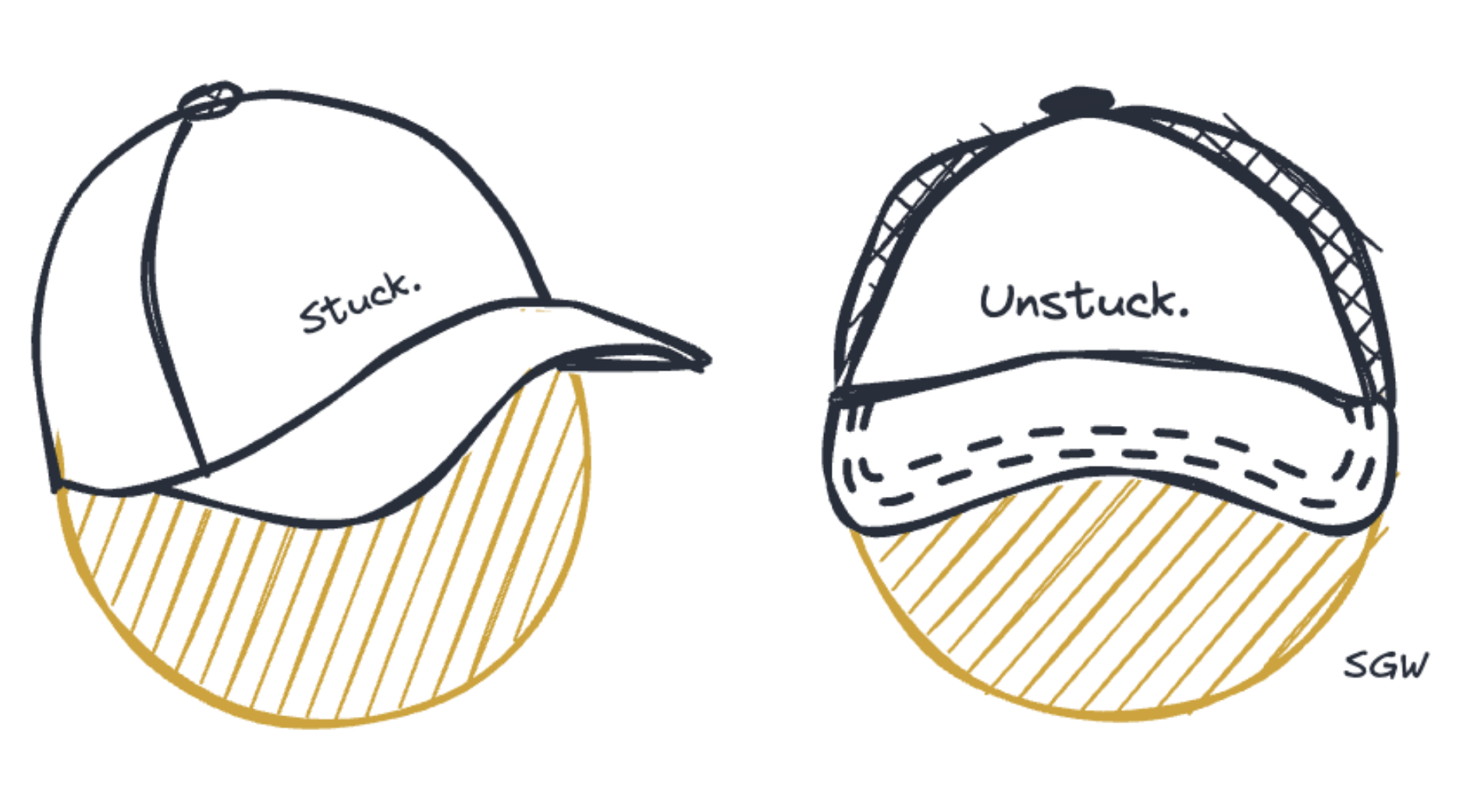
Yet that happens because it’s easy to get stuck. But know that if you get stuck, on anything, the only right thing to do is get unstuck.
– Tim
Sign up below to get Unqualified Opinions in your inbox.
The information, opinions, and views presented in this publication are provided solely for general informational and educational purposes. They are of a general nature, have not been tailored to the specific circumstances of any individual or entity, and do not constitute a comprehensive statement of the matters discussed. This material should not be interpreted or relied upon as investment, legal, tax, accounting, regulatory, or other professional advice, and nothing in this publication is intended to be or should be construed as such. You should obtain advice from your own professional advisors regarding the applicability of the information to your particular circumstances.
The views and analyses expressed are those of the author and do not necessarily represent or reflect the views, opinions, policies, or positions of Permanent Equity Management, LLC, its officers, directors, employees, affiliates, or portfolio companies, or of any person or entity with whom the author may be affiliated. Permanent Equity Management, LLC makes no representation or warranty, express or implied, as to the accuracy, completeness, timeliness, or suitability of the information contained herein and expressly disclaims any liability for errors or omissions.
This publication is not, and should not be construed as, an offer to sell, a solicitation of an offer to buy, or a recommendation of any security, financial instrument, or other product. It does not form the basis of any contract and does not create a fiduciary, advisory, or client relationship with Permanent Equity Management, LLC. Any examples or references to third-party content are for illustrative purposes only and do not constitute an endorsement. Permanent Equity Management, LLC is not responsible for the availability, accuracy, or content of third-party materials. Past performance is not indicative of future results. Any forward-looking statements are inherently uncertain and subject to change.